What you will study
Trace the folded gas path and separate shaft systems
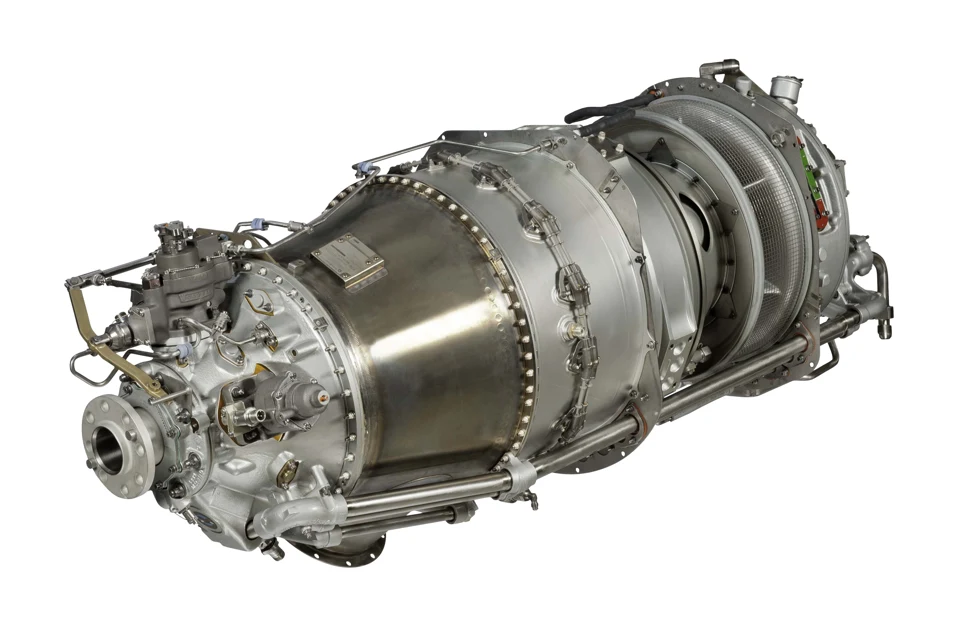
Follow the external induction path to the aft engine inlet, forward compressor flow, reverse-flow combustion path and turbine/exhaust route. Distinguish the compressor-turbine shaft system from the separate power-turbine/reduction-gearbox/propeller drive. Use the physical relationships to select a useful diagnostic boundary instead of assuming that gas-generator and propeller observations are interchangeable.
Explain separator purpose and inspect actual geometry
Understand why the bypass arrangement makes engine-bound air turn more sharply while moisture continues toward the separator outlet. Trace the mechanical command through links and bellcranks, then compare the forward and aft vane endpoints independently. A handle label, one favorable endpoint or an annunciator is not the complete physical geometry.
Follow missing material and keep duct findings distinct
Keep attachment restoration separate from the specified debris search and downstream engine examination after lost inlet hardware or vane material. For exhaust findings, identify the duct, crack location and length before applying the distinct primary and secondary repair descriptions. A repair candidate is not a completed or accepted repair.
Connect installed fit with the cooler-air route
Explain the engine-mounted primary, cowl-supported secondary and visible clearance between them. Connect right-nose-cap/oil-cooler airflow to the secondary exhaust and the fitted PT6A-140 diffuser option. Treat new-secondary initial hanger dimensions, thread engagement, free support, cowl clearances and the post-adjustment gear-fairing/trunnion check as separate evidence.
Complete the Rev A learning path
The 38-page handbook supports eight lesson checks, six prediction-and-Apply exercises, eight two-stage cases and six fixed records with twenty classifications and three calculations. Complete this preparation before the 12-question independent review: at least 80% and all eight critical decisions correct in the same attempt. The core lab has 24 completion requirements. Pass the separate 40-question final at 80%, with at least 32 correct. The online certificate requires the handbook, completed core lab and passing final.
Learning outcomes
- Explain the gas path and distinguish the gas-generator and propeller shaft systems.
- Compare separator commands with actual forward and aft vane geometry.
- Identify missing-material findings requiring separate debris and engine follow-up.
- Interpret duct-specific cracks and retain independent hanger and clearance findings.
Aircraft and course applicability
Cessna Model 208/208B functional engine architecture and external powerplant, induction/separator and exhaust-installation diagnosis using supplied D2078 Revision 42, June 1, 2024. Distinguish PT6A-114/-114A and PT6A-140 installations and the actual secondary-duct, cargo-pod, TKS and optional-diffuser configuration. The handbook explains the physical gas/shaft paths and supported external inspection evidence. Historical Cessna 208B G1000 information-manual material supplies functional separator context only. Current aircraft effectivity, modifications and complete Cessna and referenced engine instructions govern physical maintenance. Online completion and observed practical qualification are separate.
WWAOG provides independent training. Online completion records knowledge and simulation achievement; it does not replace observed practical qualification, employer authorization or applicable licensing. Use current aircraft-effective maintenance instructions for physical work.