What you will study
Distributed flight-guidance architecture
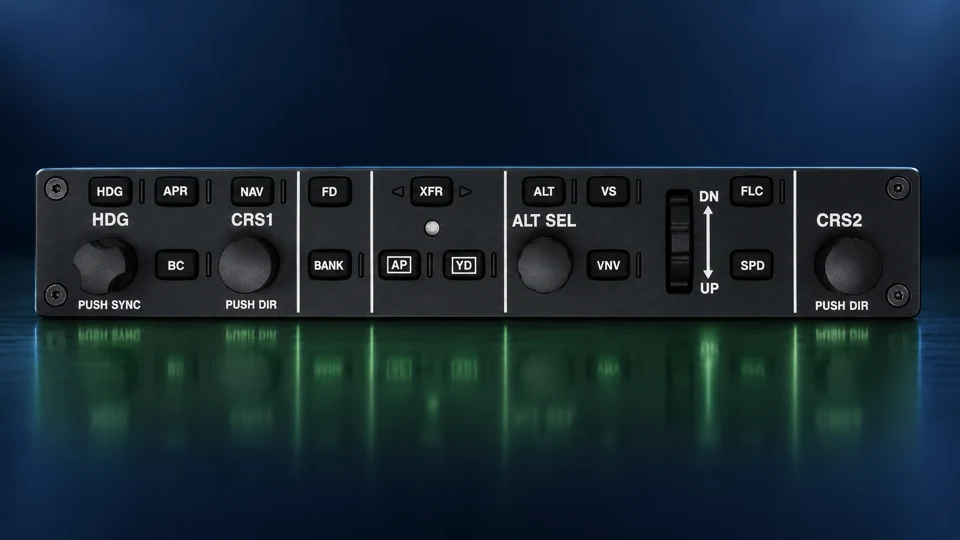
Trace flight-guidance functions across GIA computers, PFDs, the GMC controller and GSA servos. Distinguish servo actuators from GSM mounts and connect an electrical command with trim-wheel and control-surface response.
Modes, startup tests and disconnects
Compare armed and active modes, mode permissions and preflight-test evidence. Follow sensor inputs, pitch trim and disconnect functions to distinguish a missing command from an absent physical response.
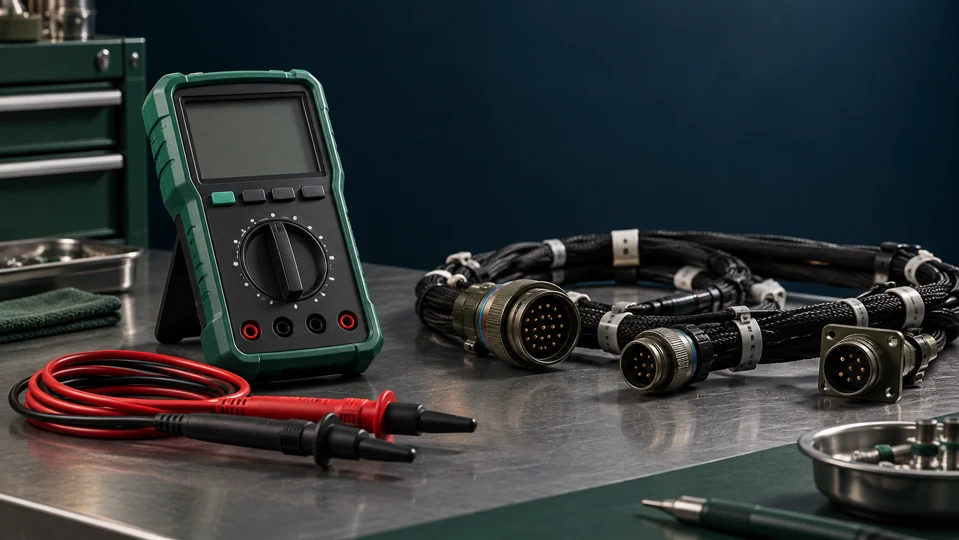
Measurement and diagnostic practice
Eight focused lessons, six prediction-and-Apply exercises, a GSM 86 override observation bench and eight two-stage cases develop fault-isolation reasoning. Includes a twelve-decision independent review, 25-page handbook and separate 40-question final.
Learning outcomes
- Trace the distributed GFC 700 command and response paths.
- Distinguish armed and active modes and interpret startup-test evidence.
- Connect servo, mount, pitch-trim and disconnect functions to physical response.
- Use command, communication and measurement evidence to justify fault-isolation and restoration checks.
Aircraft and course applicability
The identified Caravan G1000/GFC 700 installation. Study source: supplied Cessna D2078 Revision 42, 1 June 2024, ATA 22. Earlier KFC-225 systems use different instructions; confirm aircraft and equipment effectivity before applying maintenance data.
WWAOG provides independent training. Online completion records knowledge and simulation achievement; it does not replace observed practical qualification, employer authorization or applicable licensing. Use current aircraft-effective maintenance instructions for physical work.