What you will study
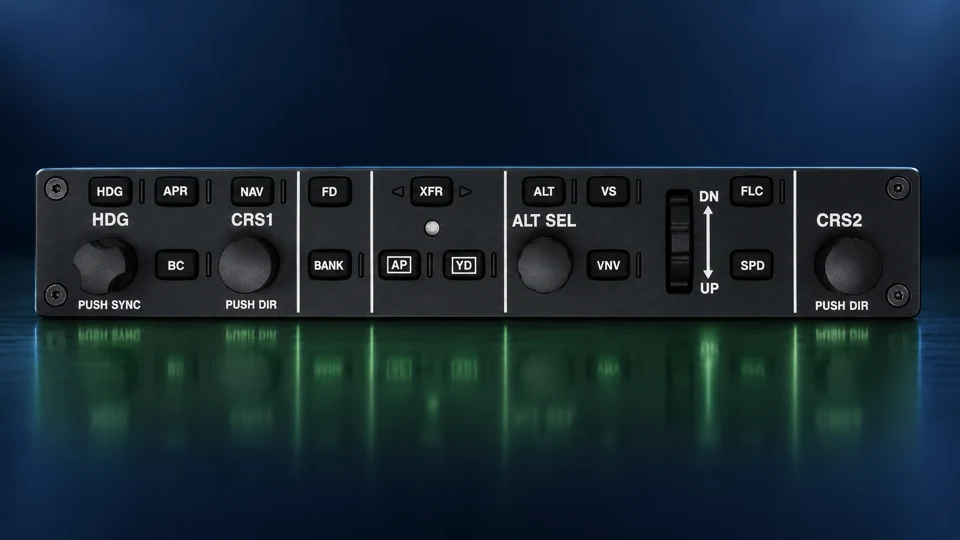
Architecture and cockpit controls
Connect cockpit controls and indications to the avionics architecture behind them. Consider the source of information, its data path and the equipment using it before treating a display symptom as a component failure.
Scenario-based troubleshooting
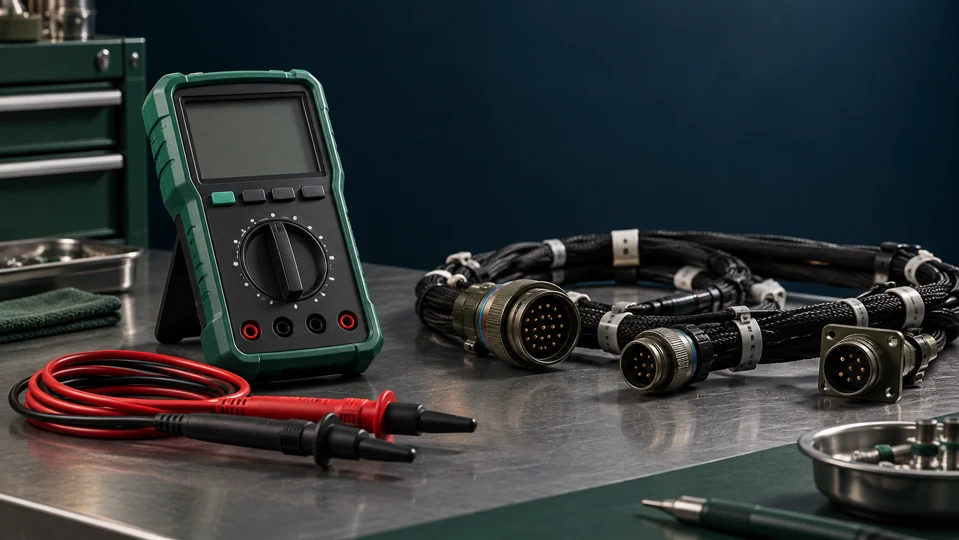
Work through realistic fault-isolation scenarios with controlled hints. The emphasis is on supporting a decision with evidence and explaining why the next check is relevant to the symptom.
Revision-matched manual support
Use the course's manual support alongside the interactive mastery lab. Relate training decisions to the stated installation and reference baseline, then confirm current aircraft-effective instructions for practical maintenance.
Learning outcomes
- Connect G1000 NXi controls and indications to system architecture.
- Trace source, data path and display relationships.
- Use scenario evidence to justify a fault-isolation step.
- Recognize configuration and reference limits when applying the lesson.
Aircraft and course applicability
TM-013 Rev D G1000 NXi systems and troubleshooting for the stated Cessna 208B installation. Other aircraft, equipment and software configurations need separate applicability review.
WWAOG provides independent training. Online completion records knowledge and simulation achievement; it does not replace observed practical qualification, employer authorization or applicable licensing. Use current aircraft-effective maintenance instructions for physical work.